Osteoporosis is often regarded as a ‘silent disease’. That’s because it progresses slowly, without symptoms and without warning.
For millions of people – particularly women over 50 – it can seriously impact quality of life.
But the good news is: there are things you can do to help prevent osteoporosis, strengthen your bones and reduce your risk.
In this article, we’re going to look at one of the most effective.
Resistance training.
We’re going to explore the science behind bone health, and examine the role of nutrition in maintaining strong, healthy bones.
We’ll also highlight how Kidsgrove Sports Centre can support you on this journey.
Let’s take a closer look.
What is Osteoporosis?
Osteoporosis is a condition that makes your bones weak and brittle.
It happens when your body loses too much bone, makes too little bone, or both. And, over time, this imbalance leads to porous, fragile bones that become more prone to fractures. Even from minor slips or bumps.
According to the Royal Osteoporosis Society, approximately 3.5 million people in the UK are affected by the disease.
Women are more likely to develop it, especially after menopause. This is a consequence of the decline in oestrogen (one of the main female sex hormones that also helps protect bone density).
Why is resistance training good for bone health?
Your bones are living tissue. Just like your muscles, they respond to stress by getting stronger.
That’s why resistance training is one of the most effective forms of exercise for increasing bone density and preventing osteoporosis.
What happens to bones during resistance training?
When you use resistance (like weights, bands or even your own body weight), your muscles tug on your bones.
This mechanical load stimulates cells called osteoblasts. These are the cells that form new bones, and grow and heal existing bones.
Hence, over time, resistance training can strengthen your bones and make them more resilient to fractures.
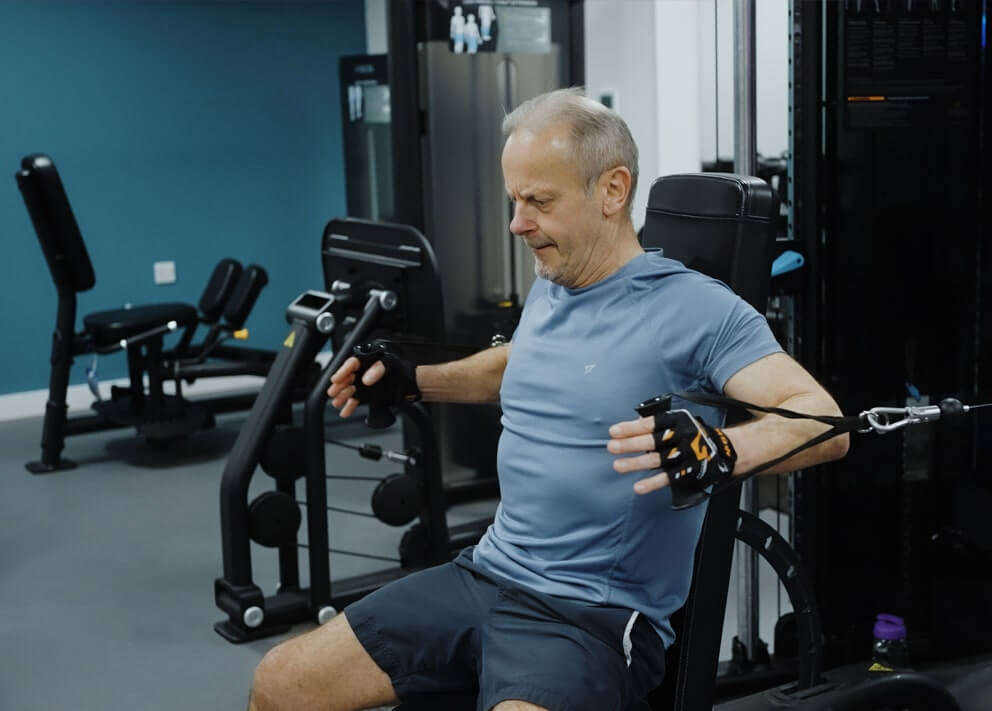
Weight training is a great way to strengthen bones and help prevent osteoporosis.
What exercises increase bone density?
In order to benefit your bones and, therefore, help prevent osteoporosis, you should choose exercises that are:
- Weight-bearing and high-impact; or
- Involve resistance loading.
So what, might you ask, are these bone-benefitting bad boys?
Here’s the hit list:
- Weight training – Push exercises (e.g. bench/shoulder presses), Pull exercises (e.g. rows, pulldowns), Leg exercises (e.g. squats, lunges).
- Bodyweight exercises – e.g. press-ups, step-ups, bodyweight squats.
- Resistance band workouts – a great alternative to weights and a good way to build resistance gradually.
- High-impact weight-bearing exercises – e.g. brisk walking, stair climbing, skipping etc.
- Plyometric exercises – e.g. jump squats (only try these if your fitness level allows).
Swimming and cycling are great for cardiovascular and overall health but not specifically for increasing your bone density. That’s because they’re both non-weight-bearing forms of exercise.
That said, swimming can still be helpful in maintaining mobility, balance, and muscle strength. Especially as you get older or if you’re recovering from an injury.
How much weight should I lift to increase bone density?
Good question.
The answer depends on two things:
- Your current fitness level.
- Whether you have existing bone loss or medical conditions.
To prevent osteoporosis, research suggests that lifting weights at moderate to high intensity is most effective. This equates to lifting at around 70–85% of your one-rep max (the maximum weight you can lift for a single repetition).
Or, to put it another way, lifting a weight that feels challenging after around eight reps.
Of course, if you already have osteoporosis or osteopenia (low bone density), it’s best to consult your GP or physio first.
In general, though, progressive resistance training, tailored to your ability, is proven to be safe and beneficial. This is the case even in older adults with low bone mass.
Can osteoporosis be reversed?
Full reversal of osteoporosis is, unfortunately, unlikely, especially in advanced stages.
You can, however, slow or even halt its progress. And, in some cases, regain bone mass.
The best ways to do this are:
- Performing resistance and weight-bearing exercises
- Taking the right amount of calcium and vitamin D
- Changing your lifestyle (quitting smoking, reducing alcohol consumption, maintaining a healthy weight)
- Taking prescription medication if advised by your doctor
- Starting a strength training programme. Even in later life, this can lead to significant improvements in bone density and reduce the risk of fracture.
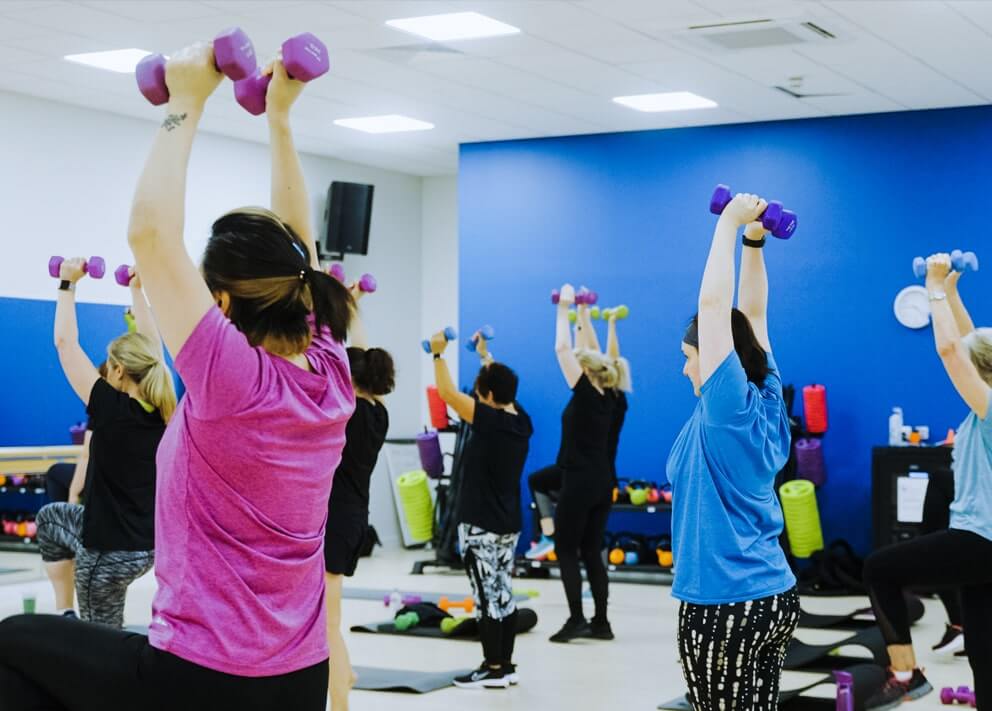
Many of our fitness classes incorporate an element of resistance training.
Vitamins and minerals that support healthy bones
Exercise is a great way to prevent osteoporosis. But it’s only part of the equation. Your bones need the right building blocks to stay strong.
Below is a quick overview of the key vitamins and minerals that support bone health.

Calcium
Why?
It’s the most important mineral for bone formation.
Sources
Dairy products, leafy greens (broccoli, cabbage, kale), nuts, sardines, tofu, plant-based drinks (such as soya drink).

Vitamin D
Why?
It helps your body absorb the calcium.
Sources
Oily fish, egg yolks, fortified foods, supplements and sunlight (when we get it!).
Magnesium
Why?
It supports bone structure and helps activate vitamin D.
Sources
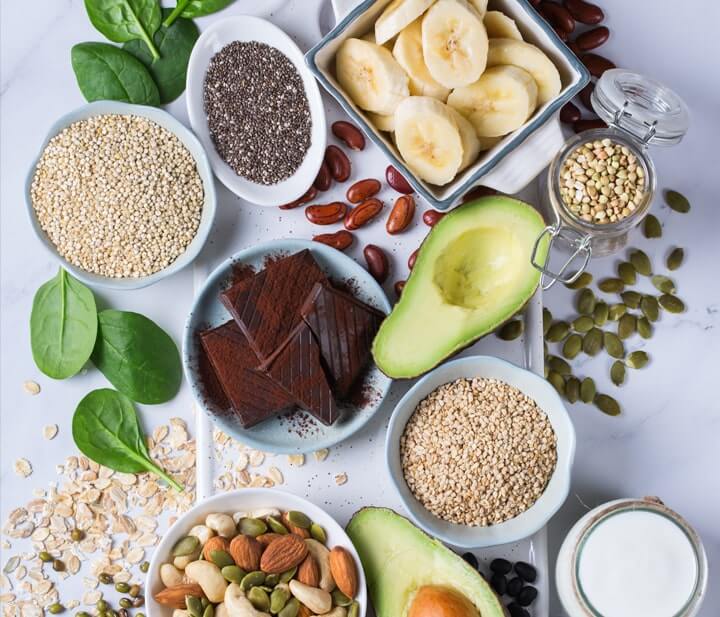
Nuts, seeds, legumes whole grains, dark chocolate.

Vitamin K
Why?
It plays a role in bone mineralisation.
Sources
Spinach, broccoli, asparagus, cabbage, kale, green beans, kiwi fruit.
Protein
Why?
It’s essential for muscle repair and bone strength.
Sources
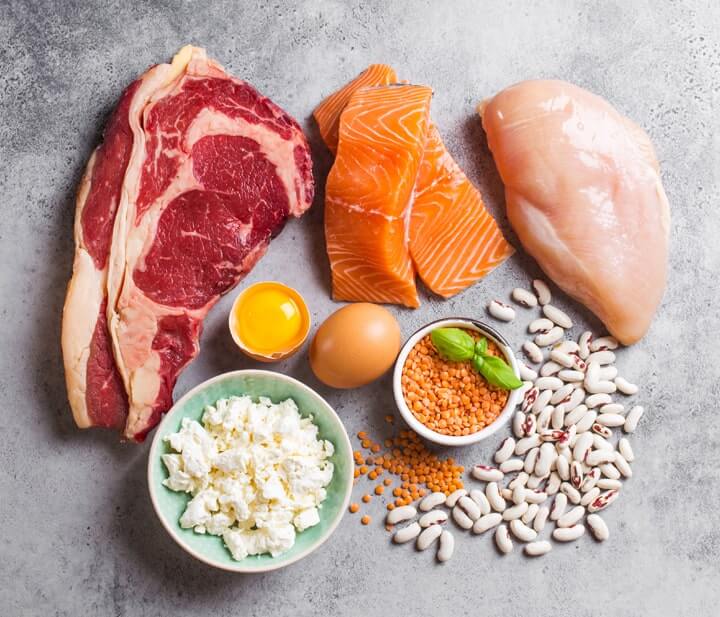
Lean meat, dairy, legumes, eggs, protein-rich plant foods. Ideally, aim for a balanced intake throughout the day.
Ways to prevent osteoporosis: the key takeaways
Osteoporosis is common, but there are things you can do to help avoid it.
Below is a summary of the main things you can do in your battle against it.
-
Start resistance training and stay consistent. Just 2 or 3 sessions per week can bring good results.
-
Incorporate weight-bearing cardio like brisk walking or stair climbing.
-
Get enough calcium and vitamin D, and perhaps consider taking supplements if you’re not getting enough in your diet.
-
Avoid smoking and limit alcohol, because both can accelerate bone loss.
-
Work on your balance and coordination to reduce your risk of falling, especially as you get older.
How Kidsgrove Sports Centre can help
At Kidsgrove Sports Centre, we’re committed to helping you take charge of your health. Regardless of age or ability.
If you’re new to exercise or if you want to tailor your workouts to support your bones, our team is here to guide you.
We offer:
-
A fully equipped gym with resistance machines, free weights, and functional training areas.
-
A huge variety of fitness classes, suitable for all abilities.
-
A sports hall for bone-density-friendly activities like badminton and basketball.
-
A swimming pool, although not directly aiding bone support, it’s perfect for joint-friendly cardio and mobility work.
-
Friendly staff and personal trainers who can help you find your starting point and keep you motivated.