Parents often wonder when to stop swimming lessons for their children.
The answer is simple.
Basic swimming skills are important. But it’s the water competency skills they need for self-rescue and survival in real-life scenarios that are crucial.
There are four main water competency skills. And it’s not until Stage 7 of Swim England’s Learn to Swim programme that children learn the last of these four major skills.
Hence, keeping your child in swimming lessons until Stage 7 is paramount. By then, they will be able to confidently and competently handle various water emergencies.
That’s not to stay children should stop at Stage 7. But they should continue swim lessons until at least Stage 7.
In this article, we’re going to delve a little deeper into those four key water competencies. And we’ll take an in-depth look at the Swim England stages.
What are the 4 key water competency skills?
In 2021, Swim England introduced new minimum water competency standards. They are designed to help parents and guardians understand the essential skills children should have before stopping swimming lessons.
These standards provide a clear outline of the skills children need to master as they progress towards becoming competent swimmers.
As you’ll see, the first competency is taught in Stage 4. The last in Stage 7.
Let’s take a look.



Why are the 4 water competency skills so important?
Let’s look at the water competency skills in more detail. And let’s consider a real-life scenario for each skill.
This will highlight why each skill is essential.


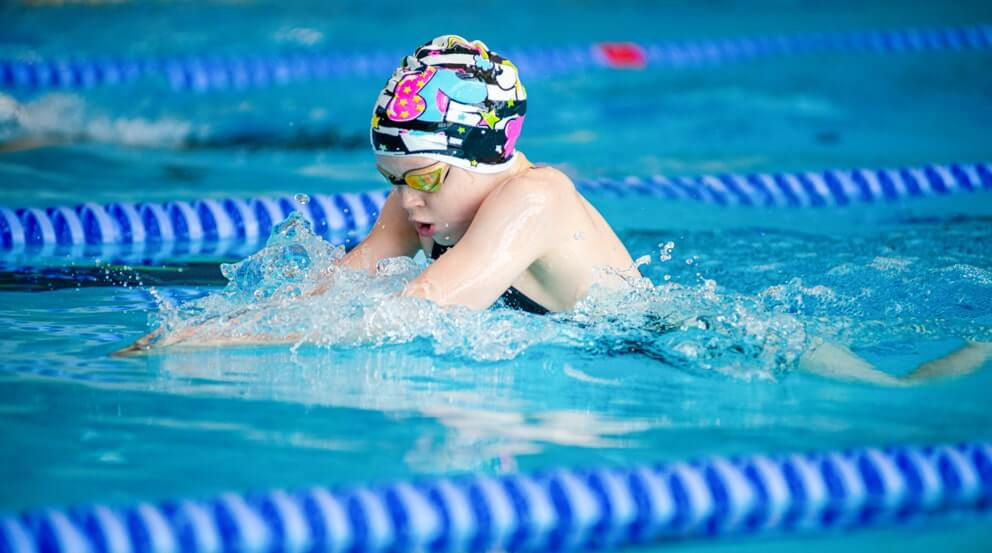
How difficult are the 4 key water competency skills?
How do you think you would fare swimming in clothes or swimming 100m without stopping?
Do you think you could do it?
In the video below, Swim England asks parents to take part in the competency challenge themselves.
Take a look at how they got on…
Myths and facts about water competency
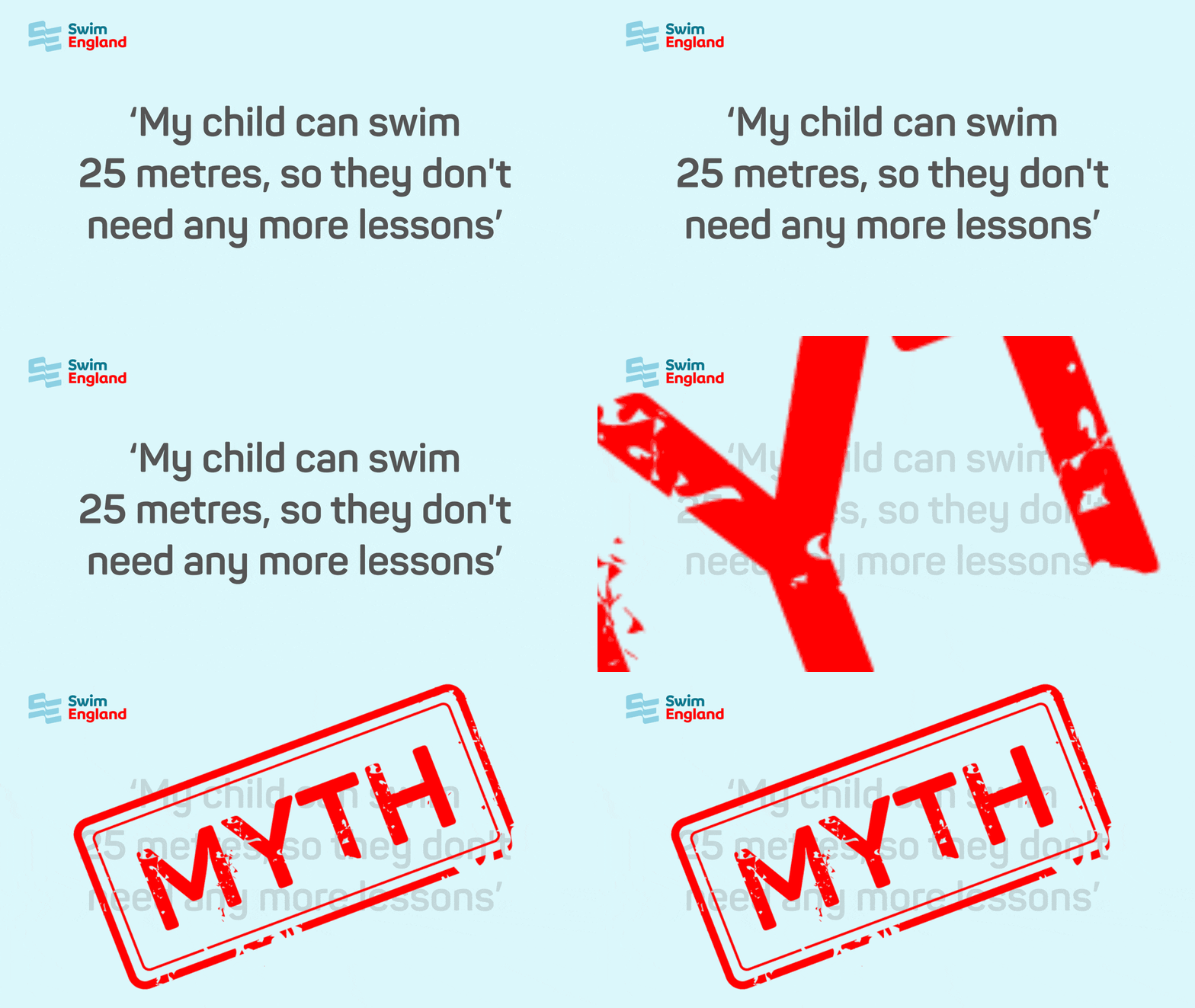
As described in the video, water competency is often misinterpreted.
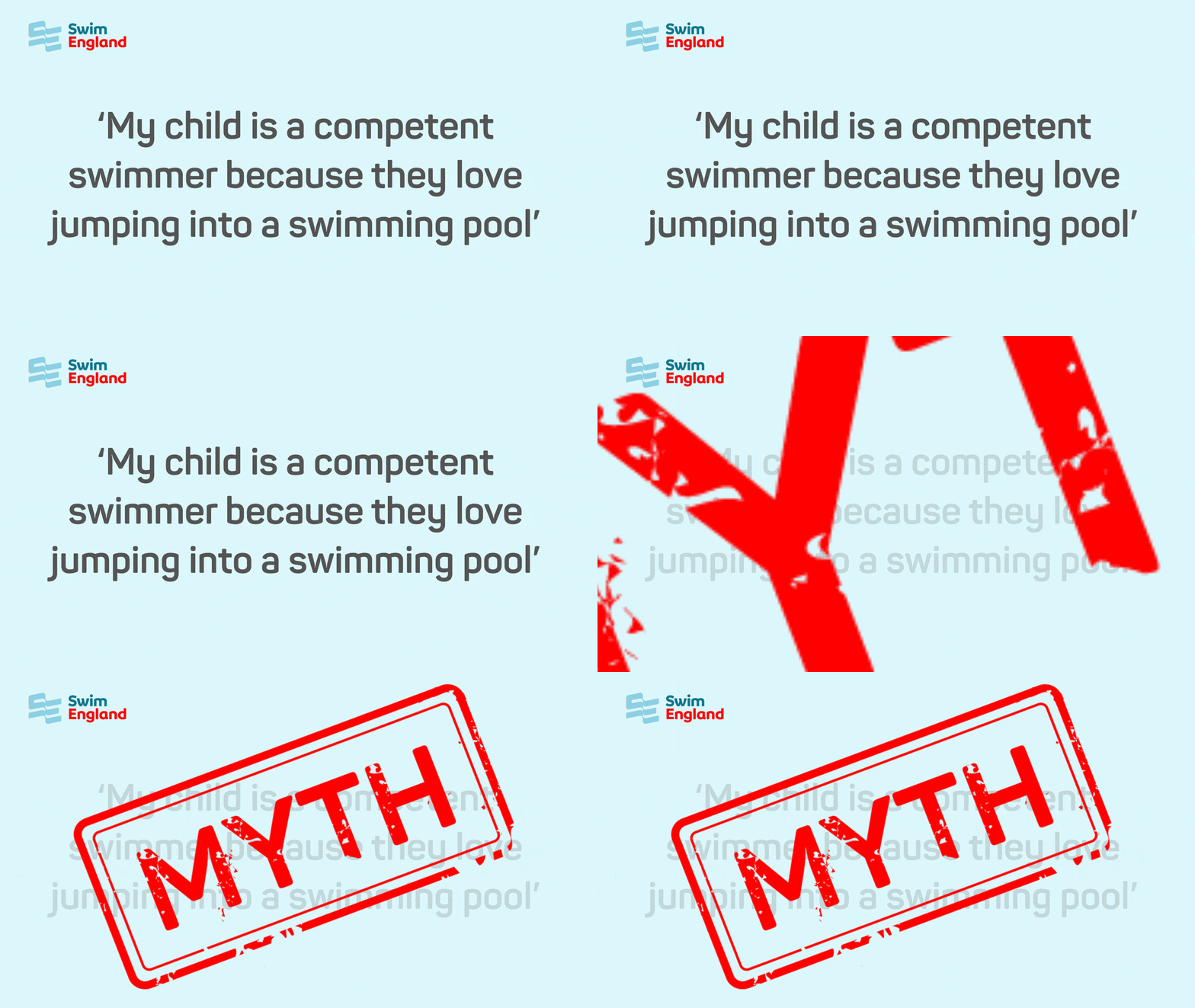
Some parents or guardians might think that if their child can jump into a swimming pool and put their face in the water, they’re a competent swimmer.
The reality, however, is very different.
Let’s take a look at some of the common misconceptions—and the facts…
- Can swim at least 100 metres with ease;
- Can tread water for at least 30 seconds;
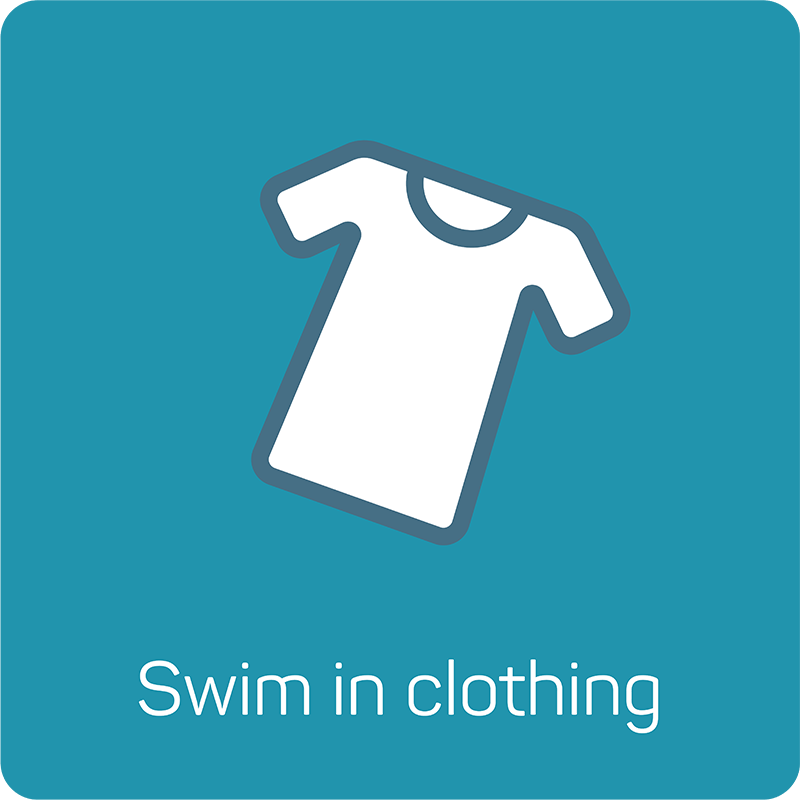
- Has experience of swimming in clothing; and
- Can ‘float to live’ (perform a star float for at least 60 seconds).

FACT: Now this is certainly not the case. Having fun is a key element of the Swim England Learn to Swim stages.
Speaking of which. Let’s take a more detailed look at those Stages.
Swim England Stages
So what about the rest of the Learn to Swim programme?
This section will help you better understand what your child is learning during their swimming lessons.
Here are the Stages of the programme and what your child needs to do to pass…
Discovery Ducklings & Ducklings
Discovery Ducklings (Adult & Child Classes)
Designed for our youngest swimmers – from baby to toddler – these fun lessons will introduce your child to water, help them gain confidence and develop a love of water right from the start.
Ducklings
Designed for children under 4 years of age, these enjoyable lessons will help your child move confidently by themselves in the pool, float, and go underwater. By the end of the Ducklings stage, they will be able to take their first strokes without any support.
Stage 1 – Harry the Hermit Crab
- Enter the water safely.
- Move forward for a distance of 5 metres, feet may be on or off the floor.
- Move backwards for a distance of 5 metres,
feet may be on or off the floor. - Move sideways for a distance of 5 metres,
feet may be on or off the floor. - Scoop the water and wash the face.
- Be comfortable with water showered from overhead.
- Move from a flat floating position on the back and return to standing.
- Move from a flat floating position on the front and return to standing.
- Push and glide in a flat position on the front from a wall.
- Push and glide in a flat position on the back from a wall.
- Give examples of two pool rules.
- Exit the water safely.
Stage 2 – Freddie the Fish
- Jump in from poolside safely.
- Blow bubbles a minimum of three times rhythmically, with nose and mouth submerged.
- Move from a flat floating position on the front/back and return to standing without support.
- Push from a wall and glide on the back – arms can be by the side or above the head.
- Push from a wall and glide on the front, arms extended.
- Travel with feet off the pool floor on the back for 5 metres, without the use of floatation equipment.
- Travel with feet off the pool floor on the front for 5 metres, without the use of floatation equipment.
- Travel 10 metres on front and back, using arms and legs.
- Perform a tuck to rotate from flat floating position on the front, to a back floating position, then return to standing.
- Perform a tuck to rotate from flat floating position on the back, to a front floating position, then return to standing.
- Perform a log roll from the back to the front and from the front to the back.
- Exit the water without support.
Stage 3 – Sophia the Seahorse
-
- Jump in from poolside and submerge.
- Sink, push away from wall and maintain a
streamlined position. - Push and glide on the front with arms extended
and log roll onto the back. - Push and glide on the back with arms extended and log roll onto the front.
- Travel 5 metres on the front, perform a tuck to rotate onto the back and return on the back.
- Fully submerge to pick up an object.
- Correctly identify three of the four key water safety messages.*
- Push and glide and travel 10 metres on the back.
- Push and glide and travel 10 metres on the front.
- Perform a tuck float and hold for three seconds.
- Exit the water without using steps.
*The four key water safety messages include: 1.) Always swim in a safe place 2.) Always swim with an adult. 3.) If you fall in, float, breathe, relax. 4.) If someone else is in trouble, call 999/112.
Stage 4 – Tilly the Turtle
- Perform a sequence of changing shapes (minimum of three) whilst floating on the surface and demonstrate an understanding of floating.
- Push and glide from the wall towards the pool floor.
- Kick 10 metres backstroke (one item of equipment optional).
- Kick 10 metres front crawl (one item of equipment optional).
- Kick 10 metres butterfly on the front or on the back.
- Kick 10 metres breaststroke on the front (one item of equipment optional).
- Perform a head first sculling action for 5 metres in a flat position on the back.
- Travel on back and log roll in one continuous movement onto front.
- Travel on front and log roll in one continuous movement onto back.
- Push and glide and swim 10 metres, choice of stroke is optional.
Stage 5 – Sara the Stingray
- Perform a flat stationary scull on the back.
- Perform a feet first sculling action for 5 metres in a flat position on the back.
- Perform a sculling sequence with a partner for 30-45 seconds to include a rotation.
- Tread water for 30 seconds.
- Perform three different shaped jumps into deep water.
- Push and glide and swim 10 metres backstroke.
- Push and glide and swim 10 metres front crawl.
- Push and glide and swim 10 metres breaststroke.
- Push and glide and swim 10 metres butterfly.
- Perform a handstand and hold for a minimum of three seconds.
- Perform a forward somersault.
- Demonstrate an action for getting help.
Stage 6 – Maisie the Marlin
- Give two examples of how to prepare for exercise and understand why it is important.
- Sink, push off on side from the wall, glide, kick and rotate into backstroke.
- Sink, push off on side from the wall, glide, kick and rotate into front crawl.
- Swim 10 metres wearing clothes.
- Push and glide and swim front crawl to include at least six rhythmical breaths.
- Push and glide and swim breaststroke to include at least six rhythmical breaths.
- Push and glide and swim butterfly to include at least three rhythmical breaths.
- Push and glide and swim backstroke to include at least six regular breaths.
- Push and glide and swim 25 metres, choice of stroke is optional.
- Perform a ‘shout and signal’ rescue.
- Perform a surface dive.
Stage 7 – Wesley the Whale Shark
- Push and glide and swim 25 metres backstroke.
- Push and glide and swim 25 metres front crawl.
- Push and glide and swim 25 metres breaststroke.
- Push and glide and swim 25 metres butterfly.
- Perform a movement sequence (linking skills with strokes & sculls) of one minute duration, in a group of three or more, incorporating a number of the following skills:
Sculling: head first, feet first
Rotation: forward or backward somersault, log roll
Floating: star on the front or back, tuck float, create own
Eggbeater: Moving, lifting one/both arms out of the water - Perform a sitting dive or dive.
- Push and glide and swim 50 metres continuously using one stroke.
- Push and glide and swim 100 metres, using a minimum of three different strokes.
- Tread water using eggbeater action for 30 seconds.
- Complete an obstacle course (using minimum of four objects) with feet off the pool floor throughout.
As you can see, the Learn to Swim Programme is about developing confident and competent swimmers. Stages 4-7 form the second part of the programme. And each of these stages contains a water competency outcome.
So if you’re considering when to stop swimming lessons, bear in mind that your child should continue until they achieve the four minimum water competency standards—at the very least.
Swim England Stages
So what about the rest of the Learn to Swim programme?
This section will help you better understand what your child is learning during their swimming lessons.
Here are the Stages of the programme and what your child needs to do to pass…

Discovery Ducklings & Ducklings
Discovery Ducklings (Adult & Child Classes)
Designed for our youngest swimmers – from baby to toddler – these fun lessons will introduce your child to water, help them gain confidence and develop a love of water right from the start.
Ducklings
Designed for children under 4 years of age, these enjoyable lessons will help your child move confidently by themselves in the pool, float, and go underwater. By the end of the Ducklings stage, they will be able to take their first strokes without any support.

Stage 1
- Enter the water safely.
- Move forward for a distance of 5 metres, feet may be on or off the floor.
- Move backwards for a distance of 5 metres,
feet may be on or off the floor. - Move sideways for a distance of 5 metres,
feet may be on or off the floor. - Scoop the water and wash the face.
- Be comfortable with water showered from overhead.
- Move from a flat floating position on the back and return to standing.
- Move from a flat floating position on the front and return to standing.
- Push and glide in a flat position on the front from a wall.
- Push and glide in a flat position on the back from a wall.
- Give examples of two pool rules.
- Exit the water safely.

Stage 2
- Jump in from poolside safely.
- Blow bubbles a minimum of three times rhythmically, with nose and mouth submerged.
- Move from a flat floating position on the front/back and return to standing without support.
- Push from a wall and glide on the back – arms can be by the side or above the head.
- Push from a wall and glide on the front, arms extended.
- Travel with feet off the pool floor on the back for 5 metres, without the use of floatation equipment.
- Travel with feet off the pool floor on the front for 5 metres, without the use of floatation equipment.
- Travel 10 metres on front and back, using arms and legs.
- Perform a tuck to rotate from flat floating position on the front, to a back floating position, then return to standing.
- Perform a tuck to rotate from flat floating position on the back, to a front floating position, then return to standing.
- Perform a log roll from the back to the front and from the front to the back.
- Exit the water without support.

Stage 3
- Jump in from poolside and submerge.
- Sink, push away from wall and maintain a
streamlined position. - Push and glide on the front with arms extended
and log roll onto the back. - Push and glide on the back with arms extended and log roll onto the front.
- Travel 5 metres on the front, perform a tuck to rotate onto the back and return on the back.
- Fully submerge to pick up an object.
- Correctly identify three of the four key water safety messages.*
- Push and glide and travel 10 metres on the back.
- Push and glide and travel 10 metres on the front.
- Perform a tuck float and hold for three seconds.
- Exit the water without using steps.
*The four key water safety messages include:
1.) Always swim in a safe place 2.) Always swim with an adult. 3.) If you fall in, float, breathe, relax. 4.) If someone else is in trouble, call 999/112.

Stage 4
- Perform a sequence of changing shapes (minimum of three) whilst floating on the surface and demonstrate an understanding of floating.
- Push and glide from the wall towards the pool floor.
- Kick 10 metres backstroke (one item of equipment optional).
- Kick 10 metres front crawl (one item of equipment optional).
- Kick 10 metres butterfly on the front or on the back.
- Kick 10 metres breaststroke on the front (one item of equipment optional).
- Perform a head first sculling action for 5 metres in a flat position on the back.
- Travel on back and log roll in one continuous movement onto front.
- Travel on front and log roll in one continuous movement onto back.
- Push and glide and swim 10 metres, choice of stroke is optional.

Stage 5
- Perform a flat stationary scull on the back.
- Perform a feet first sculling action for 5 metres in a flat position on the back.
- Perform a sculling sequence with a partner for 30-45 seconds to include a rotation.
- Tread water for 30 seconds.
- Perform three different shaped jumps into deep water.
- Push and glide and swim 10 metres backstroke.
- Push and glide and swim 10 metres front crawl.
- Push and glide and swim 10 metres breaststroke.
- Push and glide and swim 10 metres butterfly.
- Perform a handstand and hold for a minimum of three seconds.
- Perform a forward somersault.
- Demonstrate an action for getting help.

Stage 6
- Give two examples of how to prepare for exercise and understand why it is important.
- Sink, push off on side from the wall, glide, kick and rotate into backstroke.
- Sink, push off on side from the wall, glide, kick and rotate into front crawl.
- Swim 10 metres wearing clothes.
- Push and glide and swim front crawl to include at least six rhythmical breaths.
- Push and glide and swim breaststroke to include at least six rhythmical breaths.
- Push and glide and swim butterfly to include at least three rhythmical breaths.
- Push and glide and swim backstroke to include at least six regular breaths.
- Push and glide and swim 25 metres, choice of stroke is optional.
- Perform a ‘shout and signal’ rescue.
- Perform a surface dive.
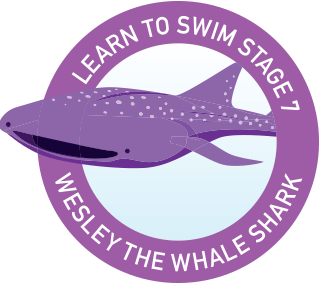
Stage 7
- Push and glide and swim 25 metres backstroke.
- Push and glide and swim 25 metres front crawl.
- Push and glide and swim 25 metres breaststroke.
- Push and glide and swim 25 metres butterfly.
- Perform a movement sequence (linking skills with strokes & sculls) of one minute duration, in a group of three or more, incorporating a number of the following skills:
Sculling: head first, feet first
Rotation: forward or backward somersault, log roll
Floating: star on the front or back, tuck float, create own
Eggbeater: Moving, lifting one/both arms out of the water - Perform a sitting dive or dive.
- Push and glide and swim 50 metres continuously using one stroke.
- Push and glide and swim 100 metres, using a minimum of three different strokes.
- Tread water using eggbeater action for 30 seconds.
- Complete an obstacle course (using minimum of four objects) with feet off the pool floor throughout.
As you can see, the Learn to Swim Programme is about developing confident and competent swimmers. Stages 4-7 form the second part of the programme. And each of these stages contains a water competency outcome.
So if you’re considering when to stop swimming lessons, bear in mind that your child should continue until they achieve the four minimum water competency standards—at the very least.

Swim England badges
The Swim England badges are designed to reward your child after successfully completing each Stage of the Learn to Swim programme.
Earning a badge and certificate is a great way to boost confidence. They’ll also motivate your child as they develop the essential skills they need to be confident, competent and safe in the water.
What happens after Stage 7?
After successfully completing Stage 7, your child may choose to move on to the Aquatic Skills framework – Stages 8, 9 and 10.
Aquatic Skills consist of Swimming, Artistic Swimming, Water Polo, and Diving.
Your child will likely choose one of these specialisms to develop their fundamental skills. Although they can complete them all if they wish.
There are three core awards in each specialism. For example if your child chooses Diving, they can aim to complete Stage 8 Diving, Stage 9 Diving and Stage 10 Diving. The same for each of the other disciplines.
You can find out exactly what’s involved in each of these specialisms by clicking the button below.
Bronze, Silver, Gold and Honours Swimming Challenge Awards
Most children aiming to complete bronze, silver, gold and Honours will do so after completing Stages 1-10. However, these awards are available for anyone to complete.
Achieving these more advanced awards will require your child to develop a wide range of skills and stamina. They focus on good stroke style.
If your child manages to complete one of these awards, there’s an added bonus. Not only will they receive a certificate and badge, they’ll also get a metal lapel badge. Albeit as an optional extra.
Discover more about the Swimming Challenge Awards by clicking the button below.
Conclusion – when to stop swimming lessons
Completing all 7 stages of Swim England’s Learn to Swim programme is not just about learning to swim. It’s about ensuring your child’s safety and giving them the skills they need to protect themselves in water.
At Kidsgrove Sports Centre, we understand the critical importance of these skills. We’re dedicated to providing a comprehensive programme that prepares children for any water-related situation.
By keeping your child in swimming lessons until they reach at least Stage 7, you’re investing in their future. And you’re providing them with the confidence and ability to enjoy water activities safely.
We want every child we teach to become a competent swimmer. We want to give them the skills to save themselves if they ever get into trouble.
For more information about our swimming lessons, click the button below or call us on 01782 528887.
We’re here to support your child’s journey to becoming a confident and competent swimmer.